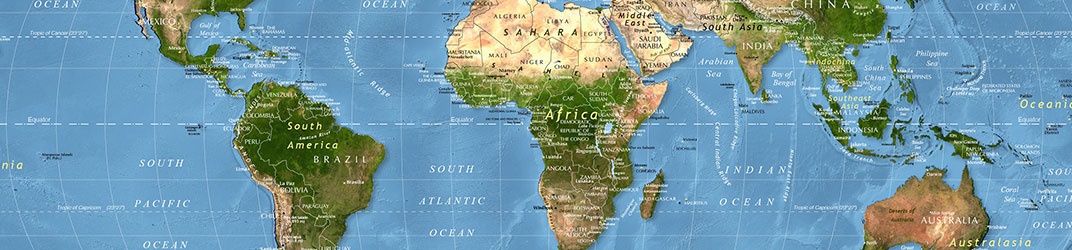
A significant number of countries within the 10/40 zone receive international food subsidies, despite possessing arable land capable of supporting their nutritional requirements.
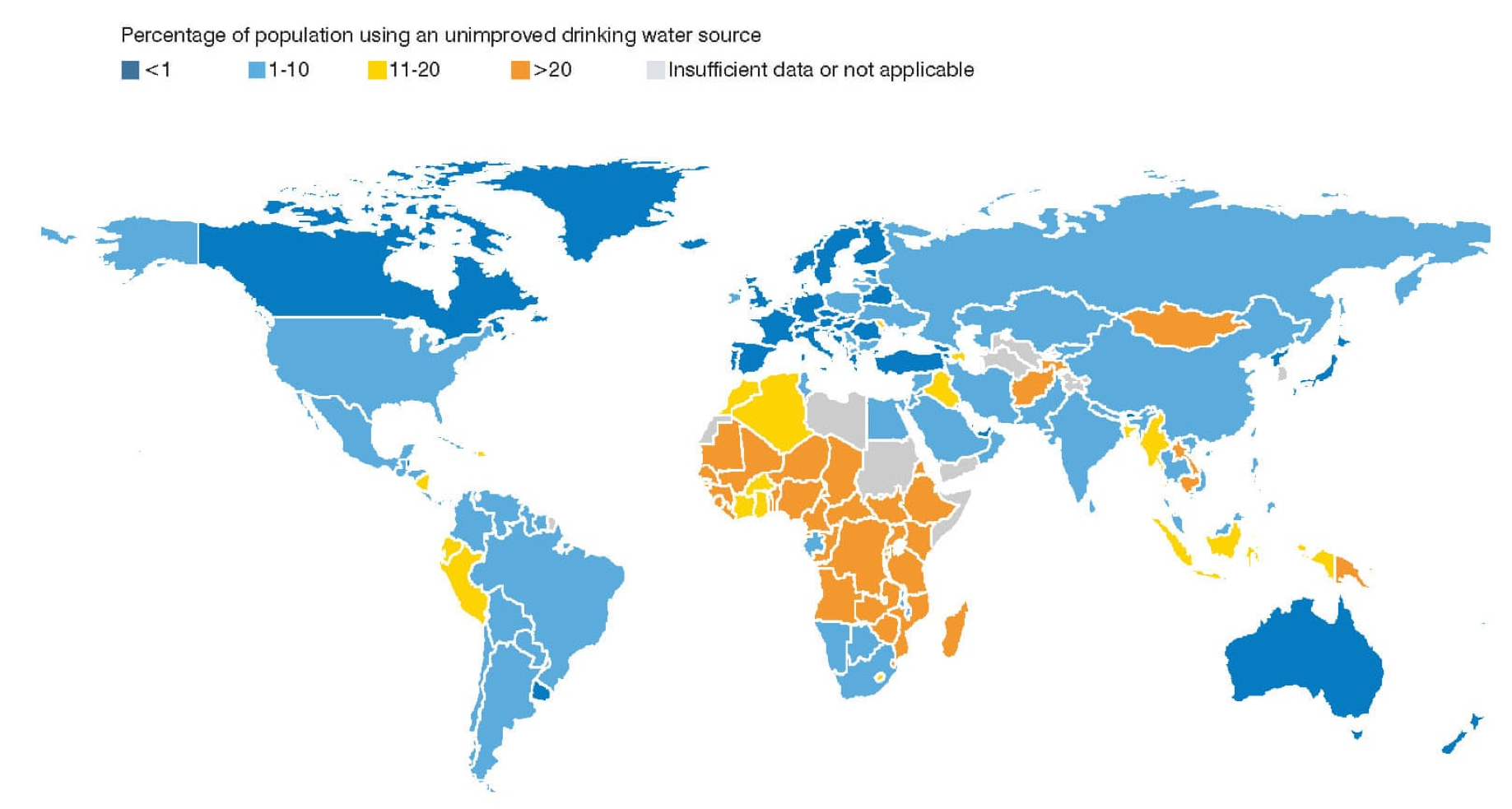
Numerous countries continue to face challenges in accessing clean drinking water. Many individuals rely on sources contaminated with bacteria, which present significant health risks and can be particularly life-threatening for children.
Our training program is structured to promote self-sufficiency by encouraging participants to decrease reliance on government assistance, while simultaneously fostering personal development with a foundation of faith.
By meeting critical needs related to physical, emotional, and spiritual well-being—including ensuring access to water, food, and healthcare—we aim to deliver holistic support and comprehensive care.
We collaborate with local pastors, who are trusted by their congregations and have expertise in scripture, to assist individuals in addressing the spiritual challenges they may encounter.
T Net (Training Network) International Recommendation Letter
We conduct thorough assessments of regional water sources and evaluate water quality to identify potential contaminants and address related concerns. We utilize established methodologies to ensure that clean water is consistently provided to the community. Subsequently, we deliver training to the designated community leader responsible for system maintenance.
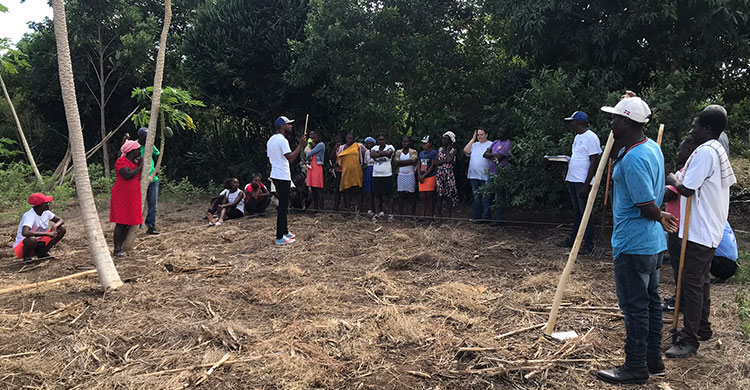
Our training program provides biblical education in sustainable farming practices, utilizing guidelines from the Farming God’s Way reference manual. The pastor participates in this training to address the community’s need for understanding both personal and land stewardship within a spiritual context.
According to tradition, Adam and Eve were instructed in gardening techniques by God. This training program aims to convey that essential knowledge to contemporary communities, supporting their efforts toward successful cultivation.
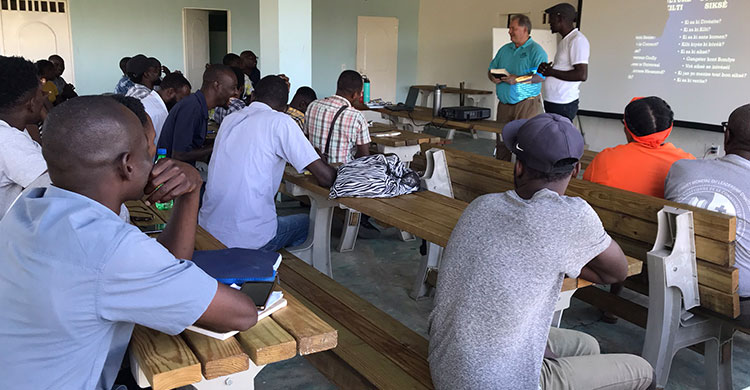
Healthcare and education are essential components of our approach. While it is possible to establish the necessary tools and infrastructure, the system will not succeed unless the community comprehends the objectives of our initiatives and possesses the knowledge required to implement these processes effectively.
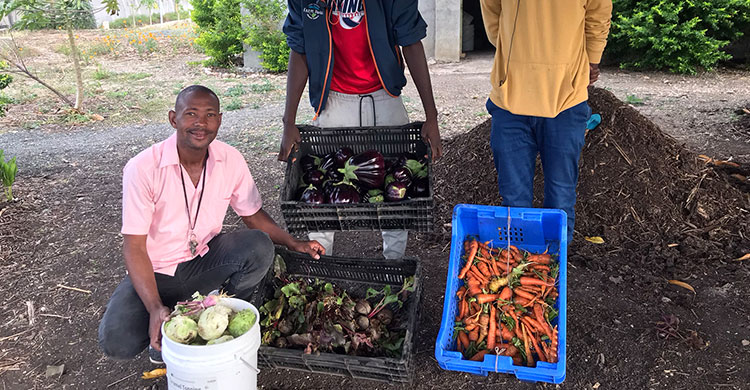 Harvest from farmers
“…I am the bread of life…” (John 6:35 )
“…that you may prosper and be in good health just as your soul prospers…” (3 John 1:2)