
Over the past century, more than half of the world’s forests have been lost due to slash-and-burn agriculture, a method used to clear land for cultivation. This approach has contributed to increased atmospheric CO2 levels.
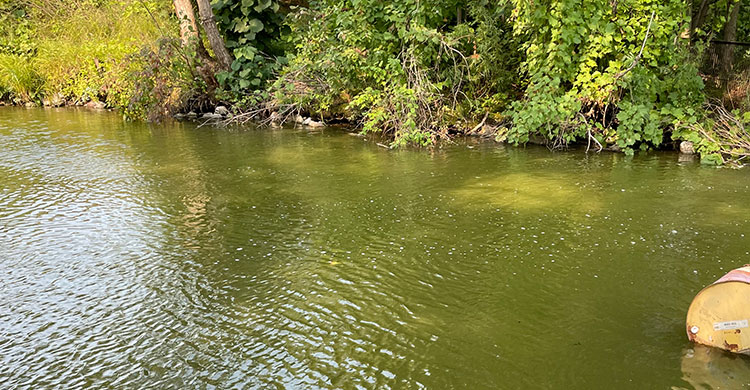
This method of agriculture also impacts the quality of water available for human consumption. The earth operates through complex natural systems that facilitate environmental sustainability. When water accumulates in bodies such as lakes, ponds, streams, or rivers, it gradually permeates the ground. During this percolation process, natural filtration occurs, resulting in cleaner water suitable for consumption by both humans and animals.
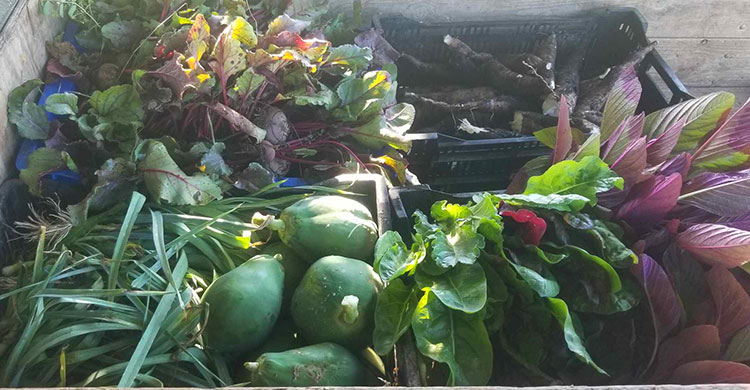
 By adopting sustainable agricultural practices such as Farming God’s Way, farmers are learning to restore land for productive cropping while also promoting the role of trees in air purification. Researchers at Kansas State University have observed that U.S. farmers who apply manure and compost to their fields, rather than chemical fertilizers, are improving soil quality and enhancing its capacity to capture CO2 molecules.
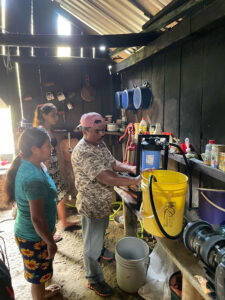 It is important to emphasize responsible stewardship of God’s gift to us to protect the environment and to ensure its sustainability for the future. Educating individuals about environmental care promotes the preservation of our natural resources.
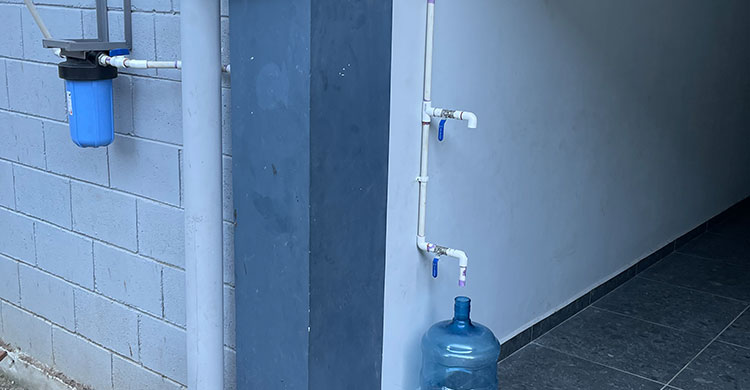
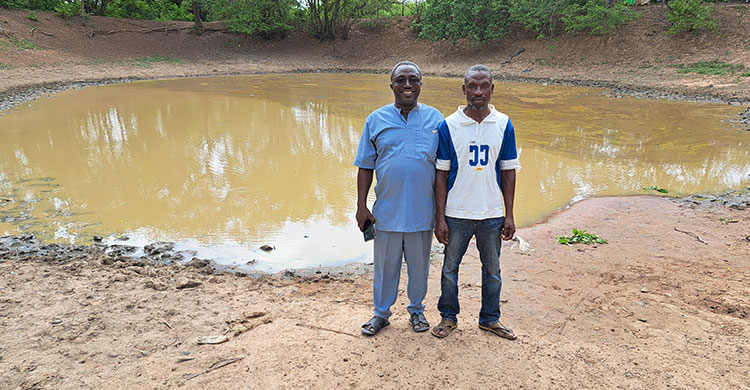
In many regions worldwide, communities depend on water derived from ponds, streams, rivers, or shallow boreholes. Several strategies exist to enhance water quality or evaluate the safety of sources, including the implementation of filtration systems and the development of new boreholes. Regardless of the chosen method, the fundamental goal remains the provision of clean and safe drinking water for all populations.
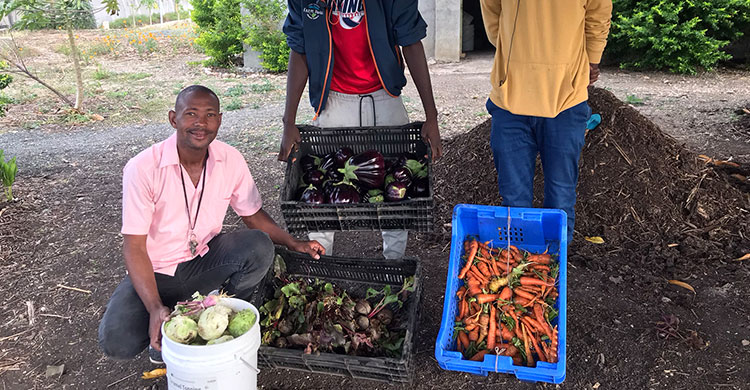 Harvest from farmers